



How to Choose the Best Mindful Living Art for Your Brand (Compared): Philosophy vs Scripture vs Tradition Themes
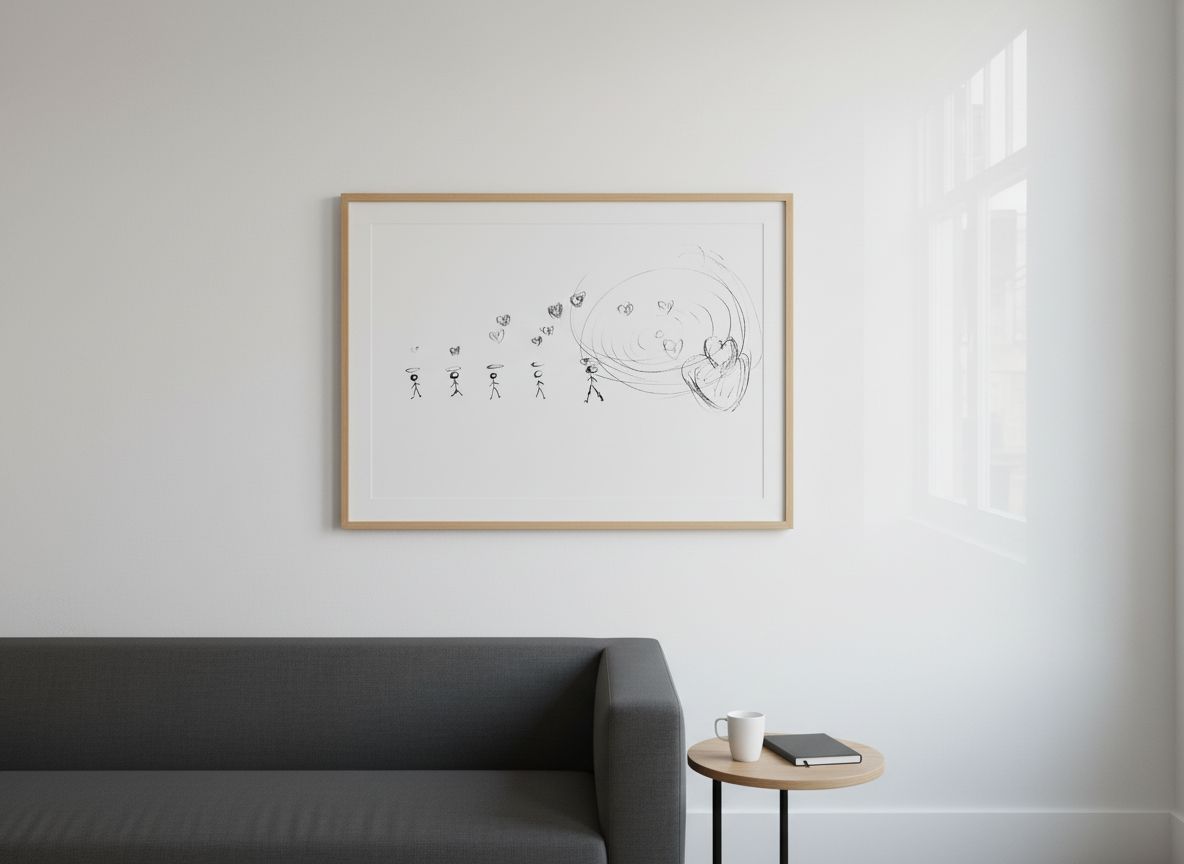
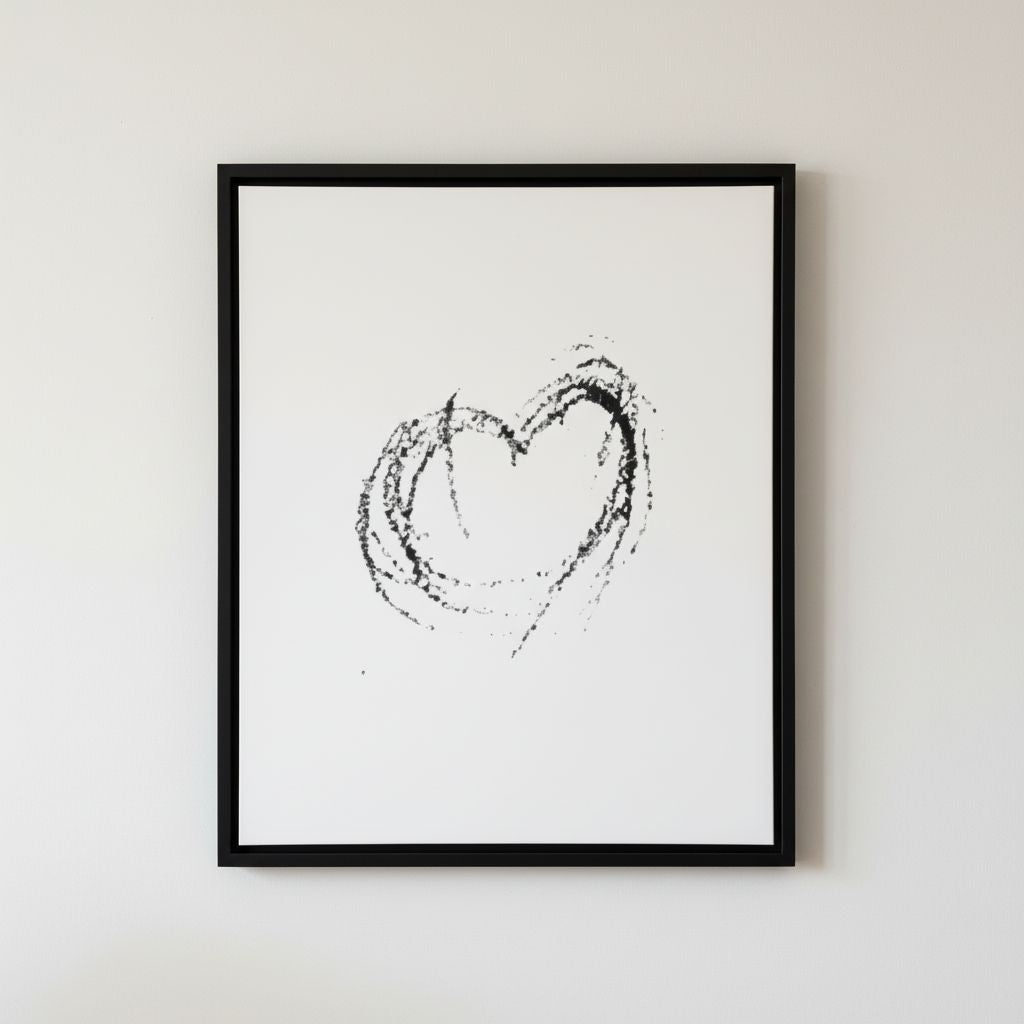
Wall coverings shape how a room breathes. A single line can soften light, guide movement, and steady the mind.
Less noise. More meaning.
If you’re a wallpaper manufacturer or wall covering brand, mindful line art is more than aesthetic. It’s a system that must repeat, scale, print, and sell—without friction.
Use these decision points as you choose between philosophy, scripture, and tradition themes:
- Repeatability at multiple scales (straight, half-drop, mural panels)
- Line weight that holds across print methods (gravure, digital, screen)
- Negative space that lets walls breathe and seams disappear
- Colorways that travel from 1-color to 4-color with clean separations
- Pattern translation from single artwork to production-ready repeats
- Licensing terms that fit your model (exclusivity, territory, duration)
- Production constraints: roll width, match type, emboss/texture, ink limits
- Scalability across SKUs, substrates, and collections
Practical use cases:
- Hospitality corridors, lobbies, and guest rooms
- Wellness spaces: spas, clinics, studios
- Retail and workplace feature walls
- Sacred and reflective spaces
- Rental-friendly peel-and-stick and acoustic panels
Let’s keep it simple and intentional. Choose the wisdom voice that fits your market. Then build a pattern library that installs cleanly, reads calmly, and scales with you.
~ Understanding the Three Pillars of Mindful Art ~
"Wisdom comes in many forms, but authentic wisdom always feels like coming home."
Mindful living art typically falls into three distinct categories, each with its own voice and audience. Understanding these differences is your first step toward making an informed choice.
Philosophy-based art draws from universal human wisdom: think Stoicism, Buddhism, or contemporary mindfulness teachings. These pieces speak to shared human experiences without requiring specific belief systems.
Scripture-inspired art connects directly with religious texts and teachings. Whether it's Christian verses, Islamic calligraphy, or Jewish proverbs, this approach speaks to faith communities with familiar language and concepts.
Tradition-rooted art celebrates cultural wisdom passed down through generations. This includes indigenous teachings, folk wisdom, ancient proverbs, and cultural practices that transcend specific religions.
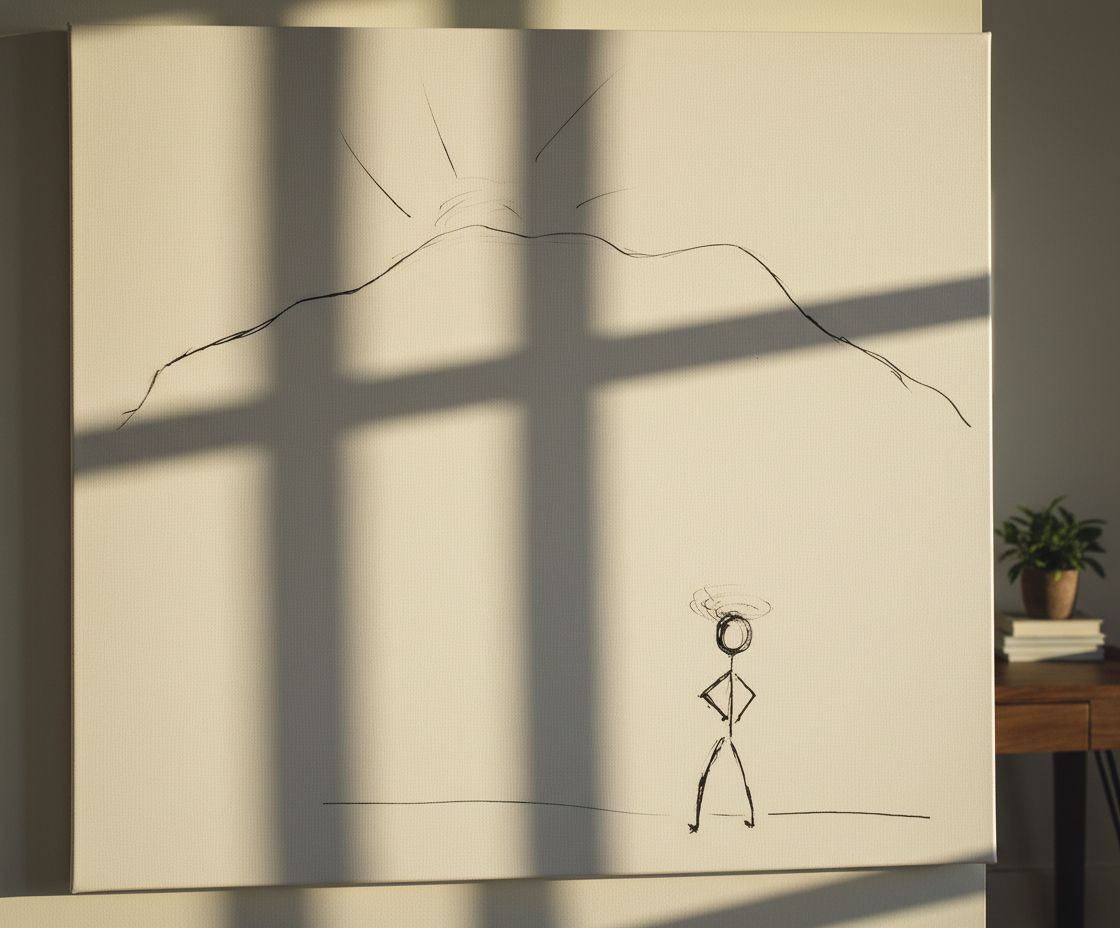
Each approach has its place, but the key is matching your choice to your brand's authentic voice and your audience's needs.
Philosophy vs Scripture vs Tradition: The Practical Breakdown
Philosophy-Based Art: Universal Appeal with Depth
Philosophy-themed mindful art casts the widest net. It speaks to anyone seeking wisdom, regardless of their personal beliefs. This approach works beautifully for:
- Publishing companies creating books for general wellness markets
- Wallpaper manufacturers serving diverse residential and commercial clients
- Home designers working with clients from various backgrounds
The strength here lies in accessibility. A piece featuring Stoic wisdom about resilience or Buddhist concepts about mindfulness can resonate with busy executives, yoga practitioners, and college students alike.
Consider this: When you're designing for maximum market reach, philosophy-based art removes barriers while still offering genuine depth.
However, the challenge is avoiding generic "live, laugh, love" territory. Your art needs substance: real philosophical concepts that provide actual value, not just pretty words.
Scripture-Inspired Art: Deep Connection with Targeted Communities
Scripture-based mindful art creates incredibly strong bonds with specific audiences. This approach shines for:
- Church decorators creating inspiring worship spaces
- Art licensing agents working with faith-based publishers
- Greeting card publishers serving religious communities
The power of scripture-inspired art lies in its instant recognition and emotional connection. When someone sees a beautifully illustrated verse they've carried in their heart for years, the response is profound and immediate.
Think about it: This isn't just decoration: it's visual prayer, daily encouragement, and community identity all wrapped into one.
The trade-off is narrower market appeal. But within your target community, engagement levels are typically much higher than with more general approaches.

Tradition-Rooted Art: Cultural Wisdom with Modern Relevance
Tradition-based mindful art bridges ancient wisdom with contemporary life. This approach works well for:
- Art manufacturers creating pieces for culturally conscious consumers
- Interior design contractors working on projects that honor heritage
- Publishers focusing on multicultural wellness content
This category has unique advantages. It offers the depth of centuries-old wisdom while feeling fresh to modern audiences discovering these traditions for the first time.
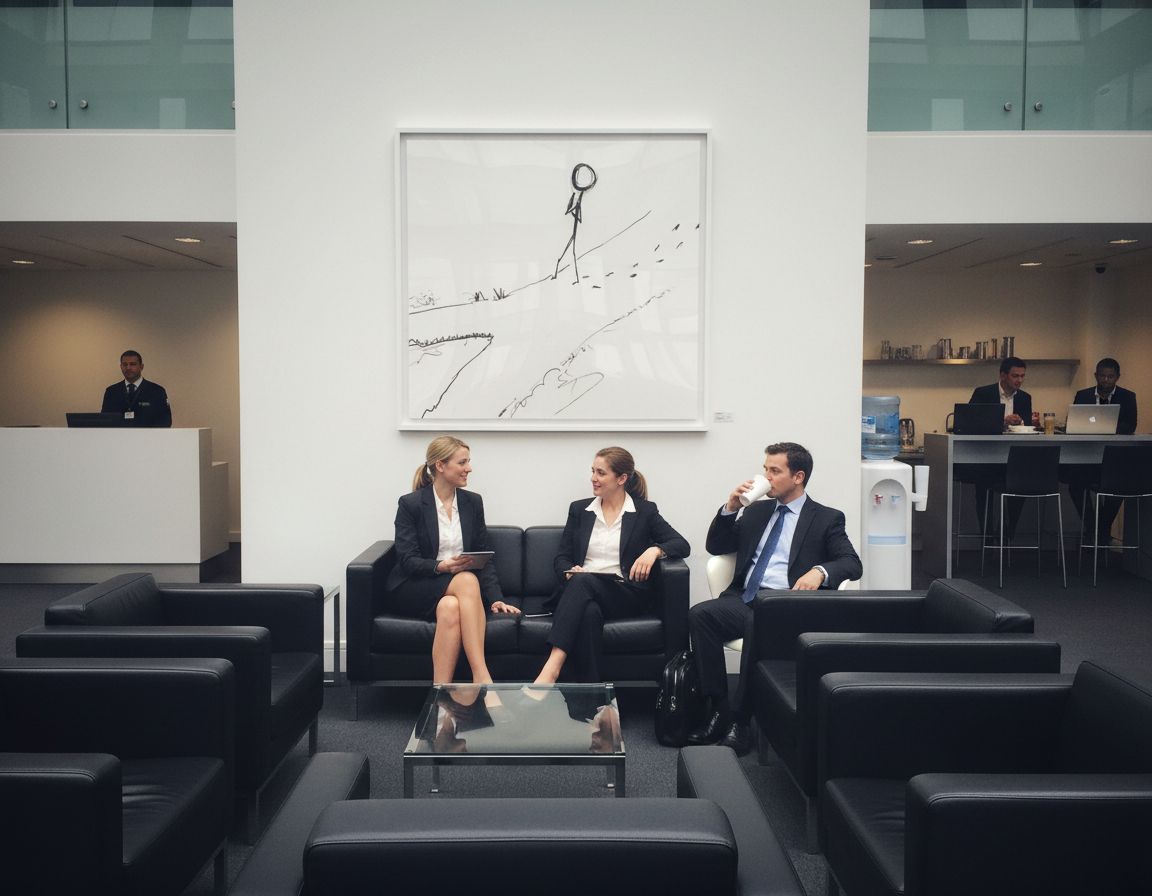
Consider this: In our globalized world, people crave authentic connection to something deeper than trend-driven culture.
The challenge is ensuring respectful representation. When working with traditional wisdom, authenticity and cultural sensitivity are non-negotiable.
Making the Right Choice for Your Brand
Start with Your Audience, Not Your Preference
The most common mistake brands make is choosing based on personal preference rather than audience need. Ask yourself:
- Who are you actually serving?
- What kind of wisdom resonates with their daily lives?
- Where do they encounter mindful living content currently?
A wallpaper company serving luxury hotels needs different art than one focusing on church renovations. The wisdom remains valuable, but the presentation must match the context.
Consider Your Brand's Authentic Voice
"Authenticity isn't about being perfect: it's about being true to who you are while serving others."
Your choice should feel natural for your brand. If you're a secular publishing company, forcing scripture-based themes will feel inauthentic to both you and your audience. If you're working primarily with faith communities, philosophy-based approaches might feel too distant.
Think about what wisdom traditions already align with your company values and mission.
Test Market Response
Before committing to large productions, test your chosen approach with small releases or focus groups. Pay attention to:
- Which pieces generate the most engagement
- What feedback reveals about emotional connection
- How different demographics respond to each theme
This testing phase often reveals surprising insights about your audience's preferences and needs.
Practical Applications Across Industries
For Publishers and Content Creators
Philosophy-based themes work well for general wellness publications, while scripture-inspired content serves specific faith markets. Tradition-rooted approaches can differentiate your brand in crowded markets.
Consider creating series that explore different wisdom traditions: this gives you flexibility while building expertise in each area.
For Manufacturers and Designers
Your choice impacts everything from production runs to retail partnerships. Philosophy-based art typically supports larger production volumes, while scripture and tradition-based pieces might work better in smaller, specialized runs.
For Licensing and Distribution
Understanding these distinctions helps you match art with the right partners. A Christian bookstore chain has different needs than a secular home goods retailer, even when both serve audiences interested in mindful living.
Moving Forward with Confidence
Choosing between philosophy, scripture, and tradition themes isn't about finding the "right" answer: it's about finding your answer. The approach that aligns with your brand's authentic voice and serves your audience's genuine needs.
Remember: Great mindful art doesn't just decorate spaces: it transforms them into places where wisdom becomes part of daily life.
Take time to really understand your audience. Test different approaches. And most importantly, choose the path that feels true to both your brand's mission and your customers' journey toward mindful living.
Wallpaper manufacturers and wallcovering brands: license or commission illustrated wisdom themes with Attagrata.
Next steps:
- Request a line-art pack (sample repeats, colorways, mockups)
- Discuss exclusivity and territory
- Get a quote and timeline
Browse the line art collection and then reach out to start your brief. Let’s build calm, scalable patterns that print clean, install beautifully, and carry wisdom into everyday space.


